Sub-Total: $0.00

How to Wash a Lab Coat: Professional Maintenance Guide
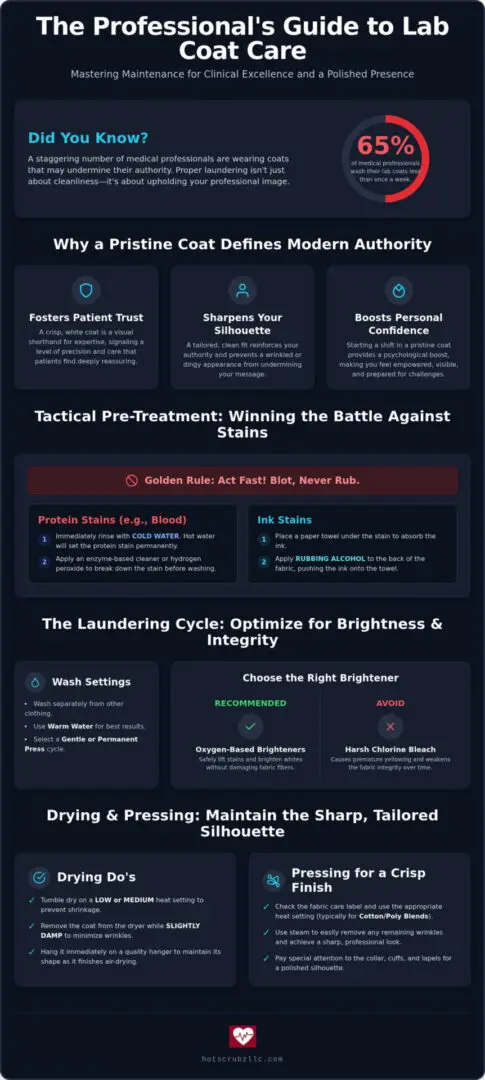
Did you know that 65% of medical professionals wash their lab coats less than once a week? While your schedule is demanding, your coat carries the weight of your expertise and the visible remnants of your last shift. You deserve to step into every consultation feeling empowered and polished, yet stubborn ink stains or a yellowing collar often tell a different story. It’s frustrating when a garment meant to project authority begins to look boxy or dingy, pulling focus away from your professional presence.
We understand that your attire is a reflection of your dedication to patient care. Mastering how to wash a lab coat is the key to preserving that pristine, tailored silhouette and brilliant whiteness that commands respect. In this guide, we’ll walk you through professional maintenance strategies that protect fabric integrity while ensuring clinical-grade cleanliness. You’ll learn how to navigate OSHA regulations for contaminated PPE, master the art of stain removal, and keep your coat looking brand new for every single shift. Your professional armor should be as resilient and bright as the care you provide.
Key Takeaways
- Elevate your professional presence by understanding how a crisp, white coat fosters patient trust and personal confidence.
- Master the essential steps of how to wash a lab coat to ensure clinical hygiene without compromising the fabric’s integrity.
- Tackle high-stakes stains from blood to ink with targeted pre-treatment methods that stop discoloration before it starts.
- Protect your garment’s brilliance by replacing harsh bleaches with oxygen-based brighteners that prevent premature yellowing.
- Preserving your coat’s tailored silhouette requires specific drying techniques that prevent shrinkage and maintain a sharp, professional fit.
Beyond the Wash: Why Pristine Lab Coats Define Modern Authority
Your lab coat is more than a layer of protection; it’s a visual shorthand for your expertise. When you walk into a room, your appearance sets the tone for the entire encounter. A crisp, white coat signals a level of precision and care that patients find deeply reassuring. While it’s easy to view laundry as a weekend chore, shifting your perspective toward prestige maintenance can transform your professional presence. Understanding the history and use of lab coats reveals that this garment has long been a symbol of scientific rigor and clinical excellence.
In the fast-paced world of modern healthcare, we’re moving away from the idea of utility washing. Instead, top-tier clinicians treat their attire as a vital part of their professional toolkit. This transition from a disposable mentality to one of garment preservation ensures that your silhouette remains sharp and your authority remains unquestioned. When you master how to wash a lab coat to keep it bright, you aren’t just cleaning fabric; you’re polishing your professional reputation.
The Psychology of the Professional Silhouette
Visual authority impacts communication more than most realize, especially in high-stakes environments where trust must be built in seconds. A wrinkled or yellowed coat can subtly undermine your message, whereas a sharp, tailored fit reinforces your words. Professional visibility is a reflection of clinical dedication; it shows that you value the details as much as the big picture. By prioritizing a clean silhouette, you move beyond the sterile atmosphere of the past and into a space of modern, approachable authority.
This commitment to appearance is part of a larger movement toward excellence. For more on how your presentation influences your career trajectory, explore our Professional Appearance in Healthcare: The 2026 Guide to Clinical Excellence.
Laundering as a Career Investment
Tactical Pre-Treatment: Winning the Battle Against Clinical Stains
A single drop of coffee or a stray ink mark shouldn’t define your workday. In high-stakes environments, stains are inevitable, but they don’t have to be permanent. The secret to maintaining a pristine appearance isn’t just about the machine cycle; it’s about what you do the moment a spill occurs. When you act fast, you protect your investment and your professional image. Identifying whether you’re dealing with blood, ink, iodine, or coffee is the first step in choosing the right tactical response.
For protein-based stains like blood, time and temperature are your greatest allies. You must use cold water immediately. Hot water acts as a sealant for biological fluids, locking the proteins into the fibers and making the mark permanent. If you’re wondering how to wash a lab coat that has encountered clinical fluids, always start with a cold rinse to flush the material before it has a chance to set. This simple step preserves the fabric’s integrity and prevents that dreaded yellowed look.
Ink stains require a more specialized approach. Place a paper towel directly under the stain and apply rubbing alcohol to the back of the fabric. This method pushes the ink out of the fibers and onto the towel rather than deeper into the garment. Never rub a stain. Rubbing creates friction that frays the fabric’s surface and spreads the pigment, leading to a fuzzy, worn appearance. Instead, blot firmly with a clean cloth to lift the residue without damaging the tailored finish of your premium medical apparel.
The Clinician’s Stain Removal Kit
Keep a small kit ready in your locker or laundry room. You’ll need hydrogen peroxide for blood, rubbing alcohol for ink, and a high-quality enzyme-based cleaner. Biological stains require these specific agents to break down organic matter, while chemical stains like iodine often respond best to simple solvents. Enzymes act as microscopic keys that unlock and dissolve complex protein structures within the fabric. Having these tools on hand ensures you’re always prepared to defend your coat’s brilliance, much like how professionals in other precision-based fields check out Tatt Lab for the medical-grade supplies they need to stay clean and organized.
Step-by-Step Spot Cleaning
Begin by blotting the area with a clean, white cloth. Using a white cloth is essential; it allows you to see the stain transferring from your coat to the rag, ensuring the mess is actually leaving the garment. If a biological stain has already begun to set, try the cold-soak method. Submerge the affected area in cold water mixed with a bit of enzyme detergent for at least thirty minutes before the main wash. This patience is a vital part of how to wash a lab coat while maintaining its sharp, professional stature.
The Laundering Cycle: Optimizing for Brightness and Fabric Integrity
Once your pre-treatment is complete, the main wash cycle determines the long-term vitality of your garment. Learning how to wash a lab coat effectively involves more than just hitting the ‘start’ button. It’s a precise ritual that balances clinical hygiene with the preservation of premium fabric. To maintain that signature brightness, you must treat your coat as a standalone priority rather than just another item in the hamper. Washing your whites separately from colored scrubs or personal laundry is non-negotiable; even the slightest dye transfer from a light blue top can dull a pristine white coat over time.
Follow this 5-step laundering process to keep your professional armor in peak condition:
- Sort and Separate: Keep your lab coats strictly with other white, clinical items.
- Turn Inside Out: This simple move protects the outer finish and buttons from unnecessary friction against the drum.
- Select the Right Temperature: Warm water, typically between 120°F and 140°F, is the sweet spot for home laundering. It’s hot enough to activate detergents and lift oils but cool enough to prevent the fiber damage caused by boiling temperatures.
- Measure Your Detergent: Use a high-quality, heavy-duty detergent that contains surfactants to keep soil suspended in the water.
- Double Rinse: Always opt for an extra rinse cycle to ensure no soap residue remains trapped in the fibers.
Detergent Selection and Load Management
Clinical environments present unique challenges, including skin oils and environmental dust that can lead to “graying” if not properly removed. Heavy-duty detergents are necessary because they are formulated to tackle these specific soils. However, even the best detergent fails if the machine is overloaded. A cramped drum prevents water and soap from circulating through the fabric, leaving your coat dingy and poorly rinsed. For a streamlined routine, consider laundering your coat alongside other white essentials from your medical capsule wardrobe.
Sterilization vs. Fabric Longevity
Achieving clinical-grade cleanliness shouldn’t come at the cost of a boxy, stiff appearance. While extreme heat is often suggested for sterilization, it can bake in microscopic residues and destroy the natural drape of high-quality fabric blends. A second rinse cycle is your best defense against detergent buildup, which can irritate the skin and dull the fabric’s appearance. Balancing thermal disinfection with gentle fabric care ensures your coat remains soft to the touch while projecting a sharp, authoritative image. This careful approach to how to wash a lab coat preserves the professional silhouette you’ve worked hard to build.
Drying and Pressing: Maintaining the Sharp, Tailored Silhouette
Mastering the drying process is just as critical as knowing how to wash a lab coat. While it’s tempting to use a high-heat setting to speed up your routine, extreme temperatures are the primary cause of premature yellowing and fabric shrinkage. Heat acts as a setting agent. If any microscopic clinical residue remains after the wash, high heat will permanently bake it into the fibers, dulling your coat’s brilliance. To keep your silhouette sharp, always opt for a low-heat tumble or, ideally, air-drying. This patience ensures your garment retains its original dimensions and professional authority. For more insights on balancing protection with aesthetic appeal, explore our Professional Lab Coats: Safety and Style Guide 2026.
The debate between hang-drying and low-tumble drying often comes down to your coat’s fabric composition. Air-drying is the gold standard for preserving the internal structure and shoulder definition of premium garments. It prevents the mechanical wear that occurs in a dryer drum, which can lead to pilling or fraying over time. If you choose to tumble dry, remove the coat while it’s still slightly damp. This small window of moisture makes pressing much easier and prevents the “stiff” feel that often results from over-drying. When you understand how to wash a lab coat and dry it with intention, you extend the life of your professional wardrobe significantly.
The Art of the Crisp Finish
A notched lapel and smooth sleeves are the hallmarks of a prestige garment. When ironing, start with the collar and shoulders, moving slowly toward the sleeves. To avoid the dreaded “double crease” on your arms, align the existing seams carefully before applying pressure. If you don’t have time for a full press, a high-quality steamer can work wonders. Steam relaxes the fibers and refreshes the fabric between shifts, allowing you to maintain a polished appearance without the wear and tear of a full laundering cycle. Always hang your coat on a sturdy, contoured hanger immediately after the cycle ends to prevent deep-set wrinkles from forming.
Preserving the Tailored Fit
Air-drying protects the delicate technical blends used in modern medical apparel. These fabrics provide the stretch and durability you need, but they can become limp if exposed to aggressive heat. If you find your coat feels too rigid after air-drying, use a minimal amount of high-quality fabric softener during the rinse cycle. Avoid dryer sheets, as they can leave a waxy residue that attracts dust and dulls the fabric’s white finish. A properly dried lab coat should feel substantial and smooth to the touch, possessing a crisp resilience that holds its shape throughout a demanding shift.
Ready to upgrade your clinical wardrobe with garments designed for both endurance and elegance? Explore our collection of premium lab coats and experience the difference of professional-grade apparel.
Advanced Fabric Care: Preserving Prestige and Whiteness
True professional authority isn’t just earned through clinical skill; it’s maintained through the subtle details of your presentation. After mastering the basics of stain removal and the wash cycle, the final step in your maintenance journey is understanding the chemistry of whiteness. Many clinicians reach for traditional chlorine bleach as a first resort, but this can be a costly mistake for your wardrobe. Modern medical apparel often utilizes sophisticated technical blends that require a more nuanced approach than traditional 100% cotton garments. When you refine how to wash a lab coat with advanced care techniques, you ensure your coat remains a beacon of readiness throughout its entire lifespan.
Traditional chlorine bleach is often the hidden culprit behind a yellowing coat. The science is simple: chlorine reacts with the proteins found in clinical environments and can strip away the optical brighteners applied during fabric manufacturing. On synthetic fibers and technical blends, this reaction creates a permanent dingy hue that no amount of scrubbing can fix. To keep your whites brilliant, you must pivot toward oxygen-based brighteners and bluing agents. These alternatives lift organic matter without compromising the structural integrity of the fibers, allowing your coat to retain its crisp, professional light.
The Bleach Alternative Framework
Oxygen-based cleaners are significantly safer for frequent use because they rely on a gentle chemical release to break apart stains rather than a corrosive reaction. You can also boost your routine with natural household staples. Adding a half-cup of baking soda to your wash cycle neutralizes odors and softens the water, while a white vinegar rinse helps dissolve any lingering soap residue that might dull the fabric. While sunlight is a natural bleaching agent, its power is limited in a clinical context where deep disinfection is required. Rely on these chemical boosters to maintain that “day one” brightness without the risk of fabric fatigue; sourcing professional-grade solutions from Cleaners Hub can ensure you have the right supplies for the job.
Maintaining Fabric Integrity Over Time
Even the most meticulously cared-for garment eventually reaches the end of its professional life. Signs like persistent pilling, a loss of “snap” in the fabric, or a permanent graying of the seams indicate it’s time for a refresh. Proper care extends the life of your garment and reduces your professional footprint, but your appearance must always match the high standards of your practice. A well-maintained coat is a testament to your hard work; however, a fresh silhouette is sometimes the best way to honor your career’s progression. Discover how HotScrubz premium lab coats are designed for both elegance and endurance, providing the perfect foundation for your advanced care routine.
To keep your wardrobe in peak condition, follow this long-term whiteness schedule. Every five washes, incorporate a deep oxygen-based soak to reset the fabric. Every quarter, inspect your lapels and cuffs for signs of wear that might compromise your professional visibility. By staying proactive, you ensure that how to wash a lab coat becomes a seamless part of your success story.
Step Into Your Next Shift with Confidence
Your lab coat is a testament to your dedication and a shield for your professional authority. By mastering how to wash a lab coat, you’ve moved beyond simple utility toward a practice of prestige maintenance. Remember that the journey to a pristine appearance starts with cold water for protein-based stains and concludes with low-heat drying to protect your tailored fit. Choosing oxygen-based brighteners over harsh chlorine ensures your whites stay brilliant without compromising the integrity of modern technical fabrics.
We believe the person behind the profession deserves attire that works as hard as they do. Our garments are designed for comfort and style during those demanding shifts, using premium fabrics that maintain their shape and whiteness wash after wash. Elevate your professional presence with premium lab coats from HotScrubz LLC and experience the empathetic support you deserve. You dedicate your life to the care of others; let us take care of the details that help you shine. You’ve earned the right to look as exceptional as the care you provide.
Frequently Asked Questions
How should a stylish lab coat fit a man to ensure it stays crisp?
A stylish fit begins at the shoulders, where the seam should sit precisely at your natural edge. The sleeves should rest comfortably at the base of your thumb, allowing for movement without excess fabric. A tailored silhouette doesn’t just look sharp; it also helps the garment maintain its structure during laundering. Avoid oversized fits that lead to a boxy, wrinkled appearance, as they’re harder to press back into a professional shape.
Can I use bleach on my white lab coat every time I wash it?
Avoid using chlorine bleach for every wash cycle. While it’s the logical choice for whites, traditional bleach often reacts with proteins and technical fibers to cause a yellowed, dingy hue. It also weakens the fabric over time, leading to premature fraying. Instead, reach for oxygen-based brighteners or natural boosters like baking soda. These alternatives preserve your coat’s brilliance and structural integrity, ensuring you look polished for every shift.
What is the best way to remove ink stains from a lab coat?
The most effective way to lift ink is by using rubbing alcohol and a blotting technique. Place a paper towel underneath the mark and apply the alcohol to the back of the fabric to push the pigment out. Always blot firmly rather than rubbing, which can spread the ink and damage the fibers. This tactical approach is a key part of how to wash a lab coat while maintaining its pristine, professional appearance.
Should I wash my lab coat in hot or cold water?
Use warm water for your standard wash cycle to balance hygiene with fabric care. While hot water provides deep cleaning, it can also set certain stains and damage technical blends. If your coat has biological or protein-based stains, always start with a cold-water rinse to flush the material before the main wash. This two-step temperature strategy ensures your garment stays bright and resilient throughout its lifespan in a high-stakes environment.
How do I prevent my lab coat from turning yellow over time?
Preventing yellowing requires a combination of gentle chemistry and temperature control. Avoid chlorine bleach, which causes a chemical reaction that dulls white fabrics. Instead, use oxygen-based brighteners and ensure a double rinse cycle to remove all detergent residue. Additionally, stay away from high-heat drying, as extreme temperatures can bake microscopic residues into the fibers. This careful routine is essential when learning how to wash a lab coat to maintain its prestige and whiteness.
Is it better to air dry or tumble dry a professional lab coat?
Air-drying is the superior choice for preserving the internal structure and tailored silhouette of your garment. It eliminates the mechanical wear of the dryer drum and prevents heat-induced shrinkage. If you’d prefer the convenience of a machine, use the lowest tumble setting and remove the coat while it’s still slightly damp. This allows for easier pressing and prevents the fabric from becoming stiff, ensuring your professional armor remains soft and ready for action.
How often should a clinician wash their lab coat for hygiene and style?
Aim to wash your lab coat at least once a week to maintain both clinical hygiene and visual authority. If you work in a high-traffic environment where exposure to contaminants is frequent, laundering after every two shifts is ideal. Regular maintenance prevents oils and environmental dust from settling deeply into the fibers. Keeping a consistent schedule ensures your coat always reflects the high standards of care you provide to your patients.
Can I wash my lab coat with my medical scrubs?
You should only wash your lab coat with your scrubs if they’re also white. Mixing a pristine white coat with colored medical scrubs, even light ones, can lead to subtle dye transfer that dulls your appearance over time. To preserve that signature brightness, treat your whites as a standalone load. This separation is a simple but vital step in garment care that helps you maintain a sharp, authoritative presence in the workplace.